 Verona AI
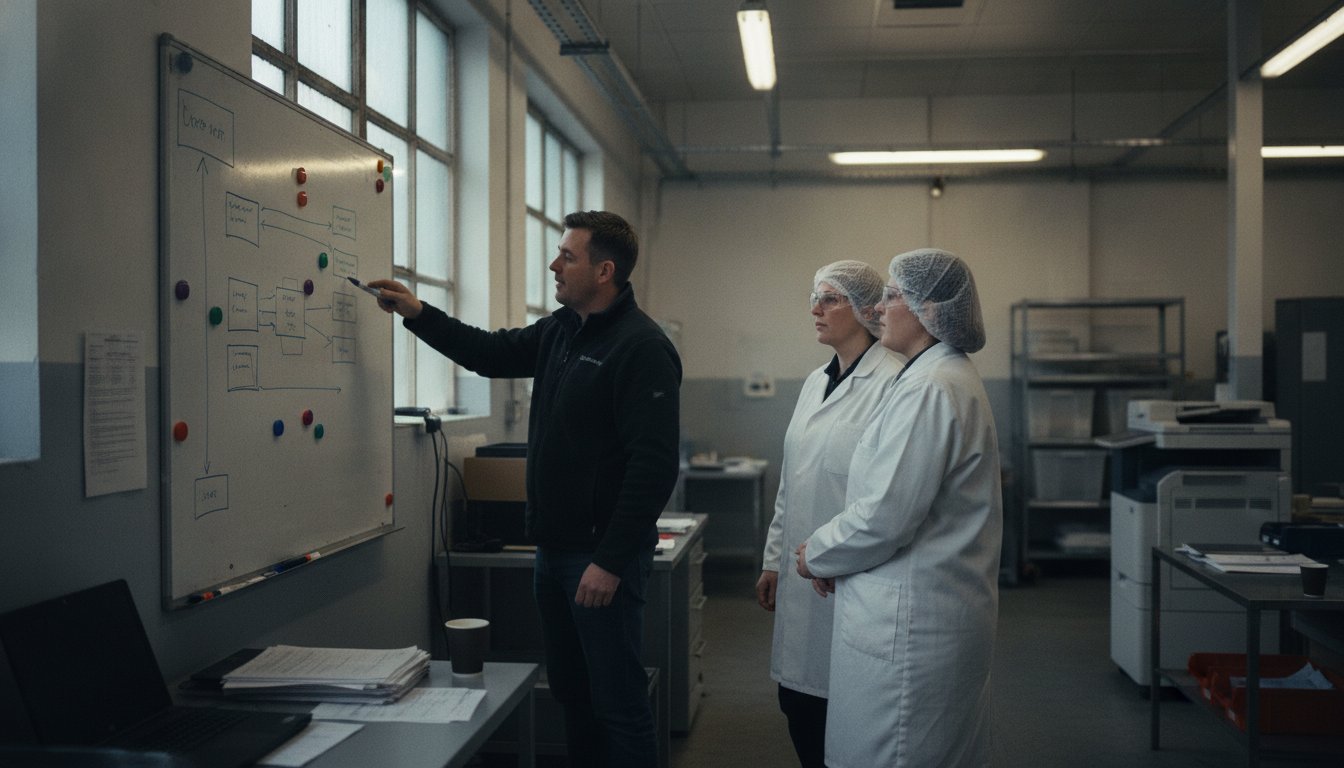
Every food factory has someone who just knows. Which supplier is late in August. Which line struggles with the new recipe. Which customer always orders short before Christmas. When that person retires, most of what they know goes with them. This post is about keeping it.
The retirement wave is already here
- A quarter retiring within ten years: the FDF has pointed out that 25% of the UK food and drink manufacturing workforce is due to retire over the next decade, with up to a third reaching retirement age by 2033–35 (Grant Thornton for the UK food and drink sector, 2021).
- Hard to replace: in the same research, businesses reported an average vacancy rate of 13%.
- Skills walking out of the door: IGD's 2026 workforce report warns of succession challenges and faster loss of skills as older workers retire (IGD).
For a large manufacturer, losing one experienced planner is a gap. For a business with 100 to 250 people, it can stop a department.
What actually gets lost
It's rarely the written procedure. That's usually in the quality manual. What goes is the judgement around it:
- Rules of thumb: "Never run that product straight after the nut line." "Order extra butter before the price review."
- History: what happened last time a supplier failed, and what fixed it.
- Relationships: who to call at the supplier, and what they'll agree to.
- The spreadsheet: the one only they understand, with formulas nobody has checked in years.
The fix isn't to write everything down
Asking a retiring planner to write a manual rarely works. They don't know which parts are obvious to them and invisible to everyone else, and a 60-page document nobody reads keeps nothing.
What works better is to put the information an experienced person relies on into a system the business owns. Their judgement then has something solid to work from, and the next person can pick it up. In practice that means:
- Decisions next to their data. Contracts, agreed prices and volumes in one place, with a dated note of why each call was made.
- Patterns made visible. Seasonal demand, supplier lead times and line performance shown from your own history, not remembered.
- Routines turned into rules. "Check butter prices before the renewal" becomes a reminder that fires on its own.
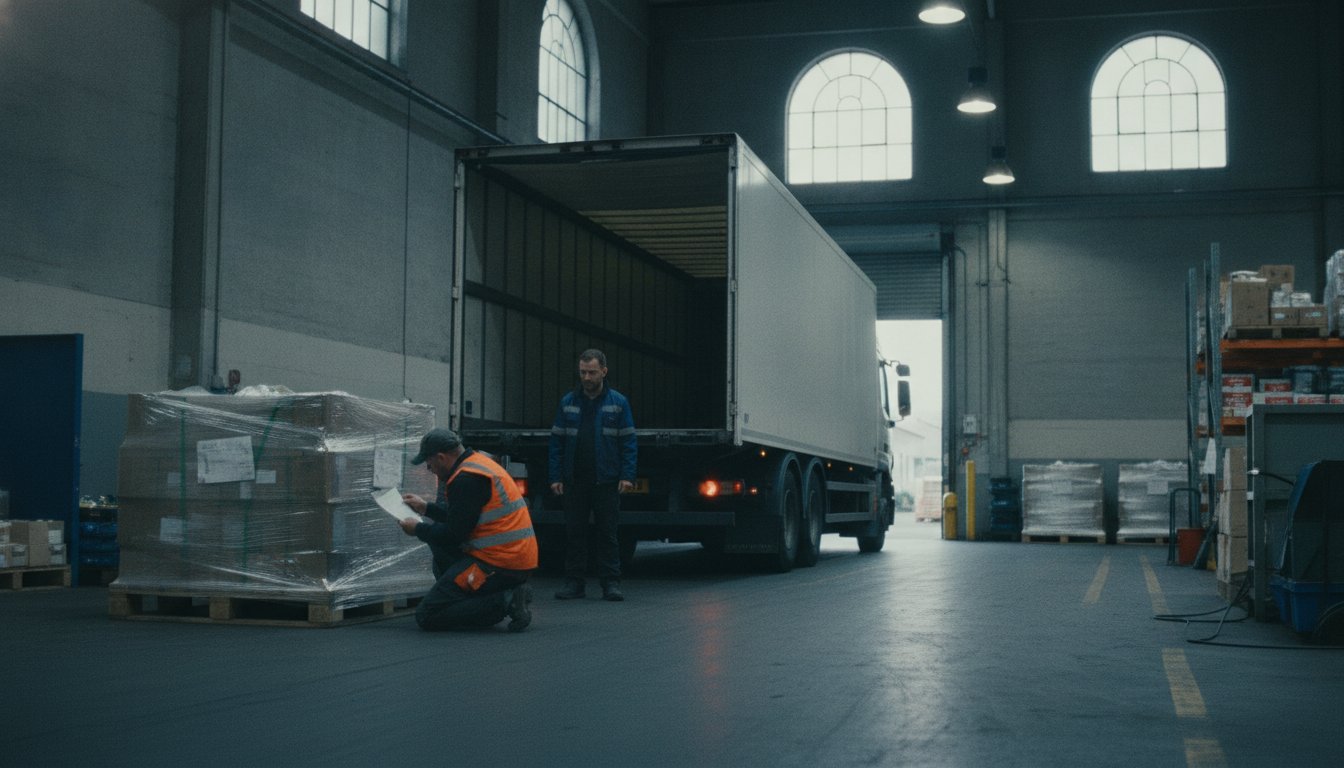
Route knowledge is a good example. Drivers and reps often carry the best routes in their heads. When we turned that knowledge into a planned schedule for Courtney & Nelson, a Northern Ireland wholesaler, it saved an estimated 650 driver-hours and £7,700 in fuel a year (modelled from real road distances).
How to map the know-how your business relies on
You can do this in an afternoon with your management team.
- Name the people. List the five people the business would struggle to run without for a fortnight.
- List their decisions. For each, write down the decisions they make every week: what to order, what to run, what to hold.
- Find the data behind each decision. Where does it come from? A system, a spreadsheet, a phone call, memory?
- Mark the gaps. Any decision that relies on memory or a personal spreadsheet is a risk.
- Pick one to fix. Start with the decision that costs most when it goes wrong.
Where AI helps
- Capturing know-how: turning recorded conversations with experienced staff into structured, searchable notes and procedures.
- Finding it again: letting a new starter ask "what did we do last time this supplier was late?" and get an answer from your own records.
- Reading the paperwork: pulling the key terms out of contracts and specifications so they don't live in one person's inbox.
AI won't replace your experienced people's judgement. It can make sure the information behind that judgement stays with the business when they don't.
Talk it through
We'll go through where your critical know-how sits and what it would take to keep it.
Book a 30-minute call →Sources
- Establishing the labour availability issues of the UK food and drink sector, Grant Thornton for UK food and drink sector bodies including the FDF and NFU, August 2021
- Food and drink workforce: a quiet crisis building?, IGD, February 2026