 Verona AI
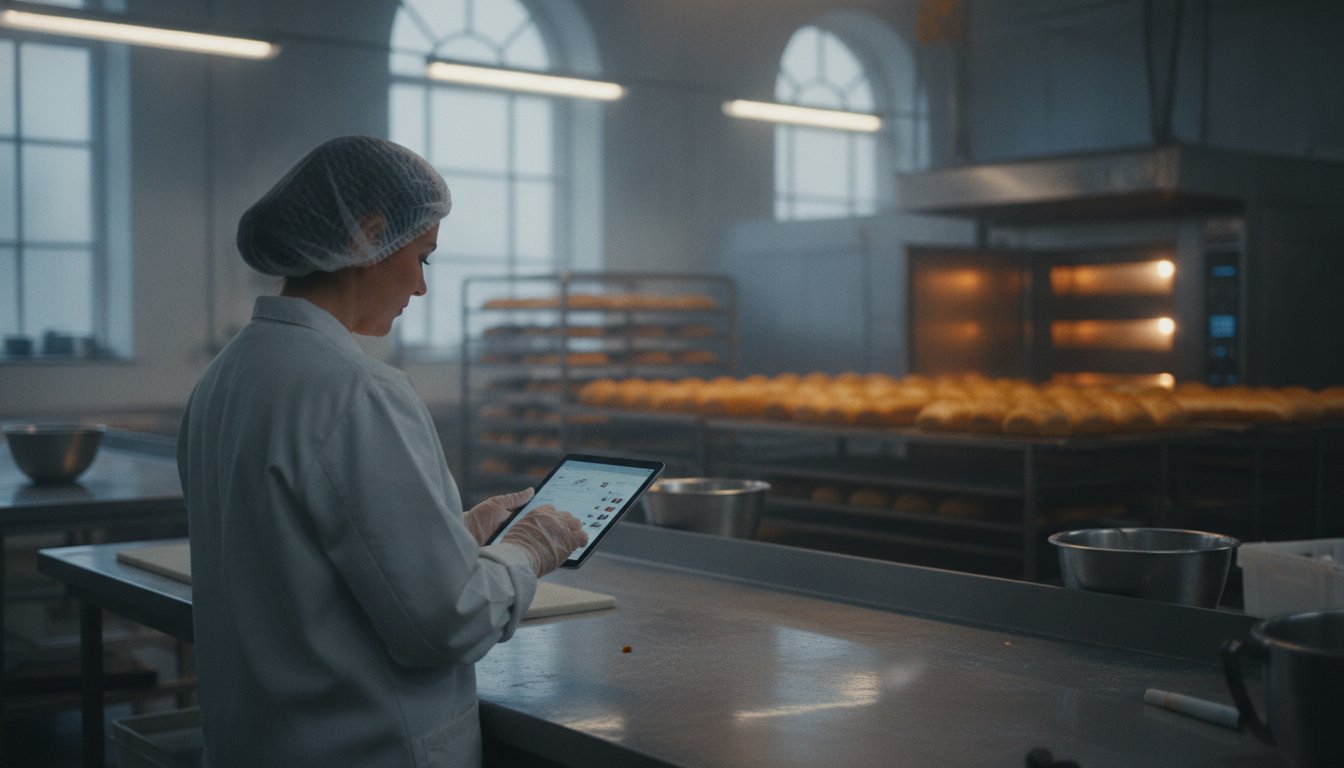
Compliance paperwork is a permanent job in a food factory. Supplier approvals, specifications, certificates, allergen matrices, traceability tests. Most of it lives in folders, spreadsheets and inboxes, and it takes days to pull together before an audit. The risk is in the gap between the paperwork and what's happening on site.
Why it matters more every year
- UK: the Food Standards Agency was notified of 1,825 food and feed safety incidents in England, Wales and Northern Ireland in 2024/25. Allergens were the second most common hazard, behind pathogens (FSA).
- Allergen labelling: allergen labelling errors caused 35% of FSA alerts in the first half of 2025, the most common cause of recalls, according to RQA Group's analysis (Food Manufacture).
- Ireland: the FSAI issued 140 public recall warnings in 2025, 83 food alerts and 57 food allergen alerts. That's 11% more than in 2024 (FSAI).
Most allergen recalls don't start on the line. They start with a change that didn't reach every record: a supplier swaps an ingredient, a recipe changes, a label isn't updated.
Where the paperwork goes, and where it goes wrong
| Record | The risk when it's manual | What to automate |
|---|---|---|
| Supplier specifications and certificates | Expired certificates and old specs nobody notices | Expiry dates tracked, with reminders before they lapse |
| Allergen matrix | A supplier change that doesn't reach the recipe or the label | Every spec change checked against the recipes that use it |
| Traceability exercises | Hours spent pulling batch, purchase and dispatch records together | Batch-to-supplier and batch-to-customer links in one place |
| Purchase and goods-in records | Data typed twice, in different units, in different systems | One import, checked against its own totals every time |
| Audit evidence | Days of preparation before each audit | Records kept current, with a history of who changed what |
Cutting paperwork without adding risk
The worry is fair. Anything that touches food safety records has to be more reliable than what it replaces, not less. Before you automate any compliance record, check it meets three rules.
1. Every figure traces back to its source. Any number on screen should lead back to the purchase line, batch record or specification it came from. Data should be checked against its own totals when it arrives, and refused if it doesn't add up.
2. Every change is recorded. A tamper-evident audit trail shows who changed what and when. That's the history an auditor asks for, and the one that's hardest to rebuild from spreadsheets.
3. AI reads, people decide. AI is good at reading a supplier's PDF and turning it into a draft record. A trained person reviews every draft before anything is saved. AI never signs anything off.
Security matters just as much. Ask for two-factor sign-in, role-based access, encrypted documents and off-site backups as standard.
Where AI helps in compliance
- Reading supplier documents: pulling allergens, ingredients and expiry dates out of specs and certificates into a draft for review.
- Spotting changes: flagging when a new spec differs from the last one, so allergen changes don't slip through.
- Watching the news: tracking recalls and supply alerts for the ingredients you buy.
Where it doesn't
- Deciding whether a product is safe. That stays with a named, trained person.
- Replacing your HACCP plan or your technical manager's judgement.
- Working on records that aren't reliable to start with. Fix the data first.
A first step before your next audit
Time your next traceability exercise from start to finish, and write down every system and spreadsheet you had to open. That list is your map of where records don't join up, and the best place to start.
Sources
- Annual Report of Incidents, Resilience and Prevention 2024/25, Food Standards Agency
- Allergen errors most common cause of UK food recalls, report finds, Food Manufacture, August 2025 (RQA Group H1 2025 Product Recall Report)
- FSAI Annual Report 2025, Food Safety Authority of Ireland